Preface and Origins of My Book Teaching Between
I became a teacher and then an educator, dedicating my life to the practice of learning, and have now spent decades on it. This might be hard to believe, but as a student, I was bad at school. I was great at subjects and content, but I chaffed at the structure and methods. Starting around eleven years old, I felt this constant friction between my brain and the process of schooling and my requests for a different experience were often met with frustration. Even as a particularly unreflective youth, I understood that the teachers and I shared the same passions. Educators were my mentors, people I wanted to be, with lives I wanted to live, yet we seemed to never be on the same page.
When I went to college, I knew what I wanted to be. I was a teacher and a historian. I continued to experience a major disconnect. Wasn’t I getting exactly what I wanted? I was working on my chosen degree! But I could not feel satisfied and it started to make me angry. My spouse never understood. She found meaning in the process of schooling, while I was always stuck on the idea that becoming a teacher starts far from teaching. She often wondered at me, why I could not just do what they asked to get what I wanted in the end?
I got through the disconnect by pretending I was the teacher, explaining my lessons to anyone who would listen. Those early unwilling listeners, my friends, and fellow students, hated it! But they did support me and it gave me the motivation to get passing grades more often than not. It is thanks to them that I made it long enough to find what I had been missing in my school experience.
This frustration finally faded in senior year of university. I was spending time in classrooms with students, teaching. I was merging theory with practice for daily results and experiences. My grades shot up to straight As. I transformed my relationship with my professors into peer-like admiration, rather than some begrudging hierarchy. That last year of becoming a real teacher was the first time that I thrived in over a decade.
As a middle school and high school teacher, I made a point of spending time with students who reminded me of myself. The students who gave me the tough time I deserved. They chaffed at school and structure. They knew who they were, and these things we did every day were not it. They constantly asked me, “When are we going to use this?” They had jobs and responsibilities they had to balance, just as I had. They were becoming adults faster than their peers, just like me. My tool at the time was empathy, but I really wanted instructional methods. I did not find them until I went looking beyond the secondary education teaching program.
When I followed my spouse to a state that required a master’s degree to teach, I went back to university. I had already done youth education, so I slipped into the educational leadership space and found adult learning. I joined a program for people with jobs, designed to bring the benefit of their experience to the classroom and to use their day job in their assignments that same week. For me, it was heavenly. Every assignment was perfectly aligned to the person I knew I was and the job I wanted to do. As an added benefit, I also found the language of adult learning. It was exactly the tools I was missing and the methods I could use to help students like me in the future.
Sadly, my qualifications had shifted and I followed the money.
I moved into corporate America. It was a momentous change. Structure and grades disappeared. New things that I learned were driving clear actions by 5pm. Classrooms became rare, replaced by quick webcasts, online training, brief articles, informal mentorships, and short emails. It was a difficult transition, but it felt more natural than any of the life changes that came before. I was leading a team of educators just 4 years later.
My role grew and included training new employees, fresh from college. I met a new kind of struggling student. My fresh graduates were trained to find the one right answer, created with the correct process they were given. Their new reality was vastly different. When I interviewed or coached them, they were often unable to clearly state their goals, why they want to succeed, what the work means to them, or where the business could improve. These struggling students had arrived at an adult brain without developing the sense of identity, meaning, and self-motivation needed to succeed.
I realized both batches of struggling students have the same core problem. My young students in school developed adult identity, which came with meaning and motivation. Even while far from its full adult form, that identity was more powerful than curriculum and the motivation was stronger than grades. We were adult brains trapped in the methods designed for youth. Good teachers are armed with empathy, but only rarely with aligned instructional methods, and they often had to invent them.
My adult students transitioning into the workplace had their identity overridden by external motivators of grades and rigid academic structures. They arrived at a full adult brain, without practice in what that brain is capable of producing. Content, they had. Missing was the strong perspective needed to do high quality independent work and the motivation to guide their own growth. Instructors and managers had short term goals to give to young minds, but not the structure to teach students to create and champion their own goals. Neither group was teaching identity.
Every person feels the friction at some point, because no student perfectly follows the developmental curve by age and year. But, if the brain is capable of adult identity and motivation, why not design instruction to encourage a healthy rate of that development? If the goal of our educational system is to be ready for adulthood, why not slowly adjust our learning methods to encourage arrival at full adult cognition? Why wait until the end of the collegiate experience to start offering programs for people with adult level identity? Wouldn’t a deliberate transition be more effective? I wanted answers to these questions, and this book is the result of my pondering, experience, and research.
The transition from child learning to adult learning is not a sudden shift at a specific age, but a developmental progression beginning in early adolescence. Modern education fails to adapt to this transition, continuing to rely on pedagogical models long after learners begin to think, question, and behave like adults. “Teaching Between” proposes a framework that aligns instruction through these transition years. This book is a discussion on the identity-driven cognitive changes that occur between ages 12 and 25 and how we teach toward them.
With this book, I encourage the middle school movement to continue its trajectory and continuously recommit to its foundational principles. The book has a lot of criticism for modern undergraduate education. Our beloved historical institutions are designed for the certification of content mastery and research driven content creation. This is not adult workplace preparedness or cognitive developmental responsiveness. From the perspective of student motivation and future success, the system is chasing the wrong goal.
I hope to contribute to the conversation that has already begun regarding a decade of friction in the average person’s life. I want to model the experiential way that adult brains think and make meaning, with some hopefully entertaining stories, reflections, and proposed solutions that can be used today. I will end with some of the big ideas for change that might reverse the friction if we target a new vision.
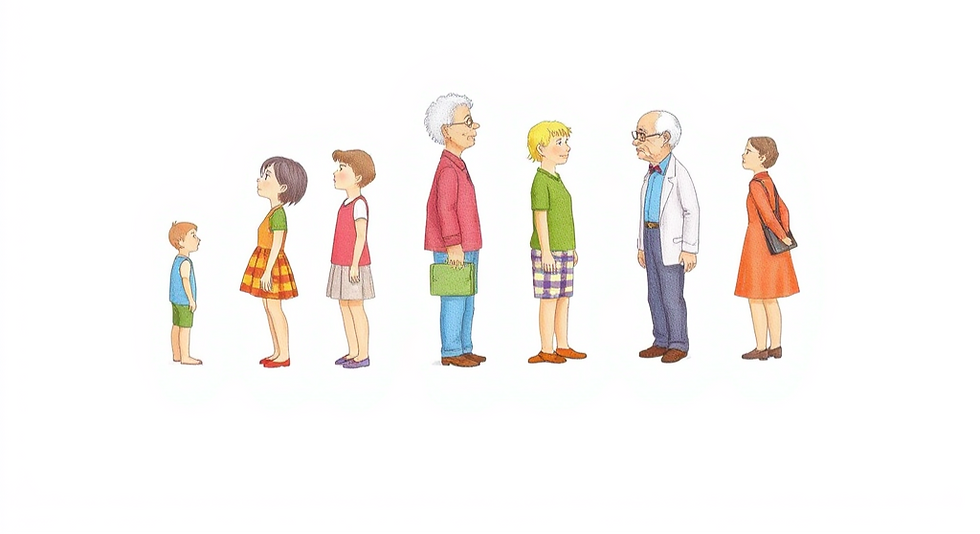
I dedicate these pages to all those students who felt the same struggles that I experienced. I see you and I hope I have finally found the words to help.


Comments